The Pros and Cons of Wall-to-Wall Carpeting vs. Area Rugs
Now that you’ve chosen carpets for your floor covering type, you have a crucial choice to make – do you go for wall-to-wall carpets or area rugs?
This article explores the luxurious feel of wall-to-wall carpeting, from its warmth and sound-absorbing qualities to maintenance and cost considerations. It also highlights the versatility and flexibility of area rugs, focusing on their ease of upkeep while addressing safety concerns. We will compare the two options and help you make a fully informed choice!
What Is The Difference Between Wall-to-Wall Carpeting and Area Rugs?
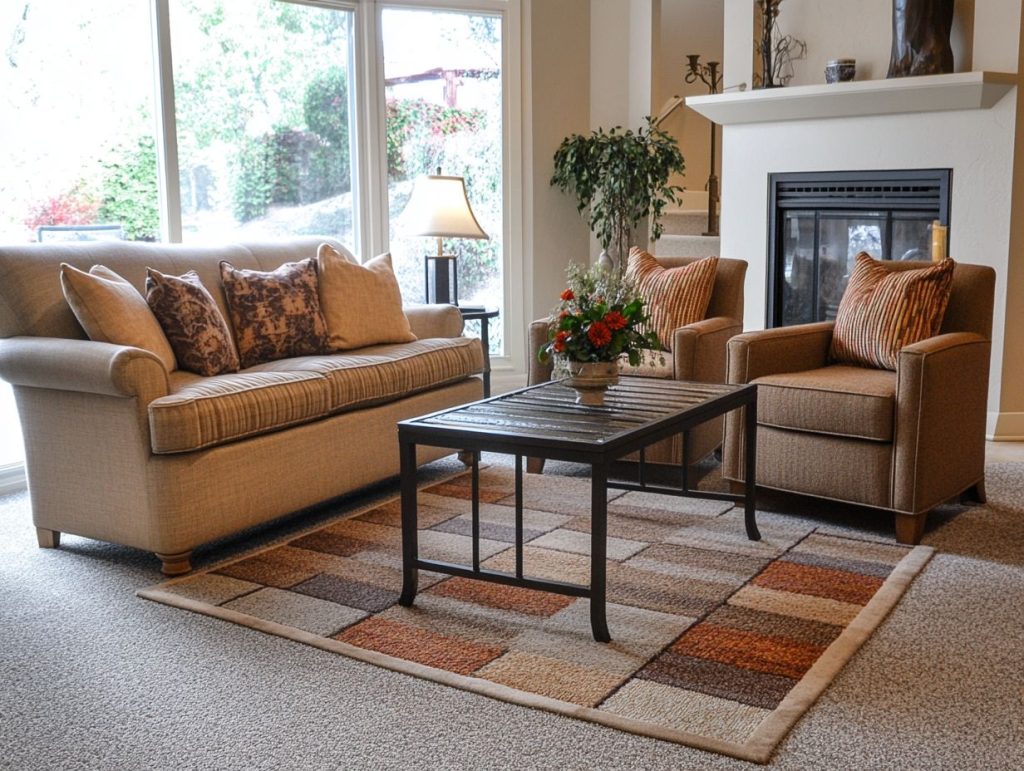
Wall-to-wall carpeting and area rugs are popular flooring choices that can enhance your home décor. Each has perks and styles, allowing you to customise your space to match your personal taste and lifestyle.
Wall-to-wall carpeting is like a big, cosy hug for your floors. It covers the entire area, providing comfort, warmth, and noise reduction. Perfect for creating that inviting vibe in bedrooms and living rooms. On the flip side, area rugs are more like stylish accessories; they help define spaces, add texture, and pull your overall design together.
The soft fibres of wall-to-wall carpeting feel great underfoot and act as insulation, keeping your space warm and snug. Meanwhile, area rugs come in all sorts of designs, from trendy to classic, allowing you to inject some personality into specific spots. They’re versatile, too, making it easy to switch up your décor style, and they’re a breeze to clean—a win for busy households.
Knowing the differences between these two options helps you make smart choices for your home.
Benefits of Wall-to-Wall Carpeting
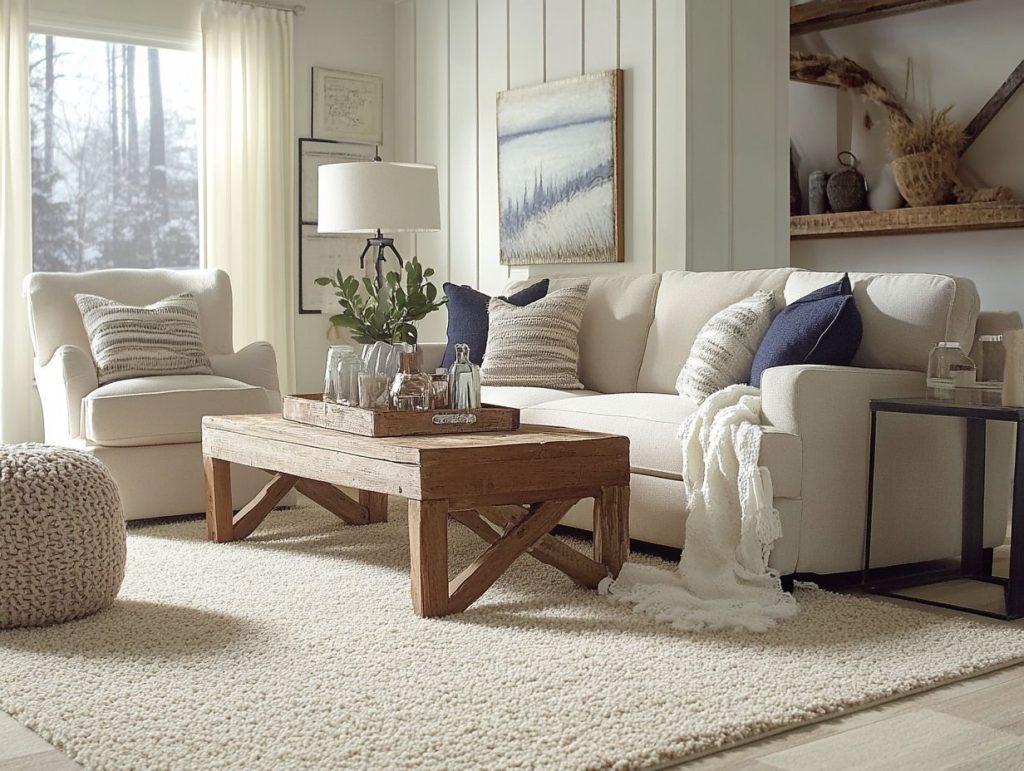
Wall-to-wall carpeting offers many benefits that enhance the comfort and appearance of any room in your home. One of the standout advantages is that wonderful underfoot feel—it’s like receiving a warm hug for your feet, especially during those chilly months.
Furthermore, it does an excellent job of keeping your spaces cosy and reducing noise, making your home feel quieter and more tranquil. If you select the right materials, wall-to-wall carpeting can also be a durable and long-lasting flooring option, allowing you to enjoy that comfort and style for years.
Comfort and Insulation
Regarding comfort, fitted carpeting takes the biscuit. It gives you that inviting underfoot feel that’s hard to beat. Carpeting’s insulation properties keep your feet warm against those cold floors and help minimise noise levels in your home. This makes it a perfect choice for children or pets since it provides a soft surface for them to play on and reduces the chances of noise travelling between rooms.
In addition to protecting you from draughts and chilly surfaces, this type of carpeting also helps create a serene environment by absorbing sound, giving you a more peaceful space to relax or entertain. With its ability to cushion footsteps and muffle everyday sounds, fitted carpeting turns your living areas into cosy retreats.
And here’s a bonus: over time, it can even help lower your energy costs, making your home more inviting and efficient. Choosing this flooring option enhances the overall vibe of your space, adding warmth in both temperature and atmosphere.
Sound Absorption
One of the most impressive things about wall-to-wall carpeting is how well it absorbs sound, making your home much quieter. The soft fibres trap sound waves, reducing echoes and noise—perfect for high-traffic areas or homes filled with children and pets.
Not only does this sound absorption enhance comfort, but it also helps improve indoor air quality by minimising allergens and dust circulation. It’s a practical flooring option for all lifestyles.
Moreover, creating a serene atmosphere means your family can engage in activities without the distraction of external noise. Reducing sound pollution can significantly improve mental well-being; a calm environment is excellent for relaxation and productivity.
Thanks to sound dampening, you can enjoy better air quality and create a healthier living space. This holistic approach, which combines comfort with environmental health, makes wall-to-wall carpeting a wise investment for anyone looking to enhance their quality of life.
Drawbacks of Wall-to-Wall Carpeting
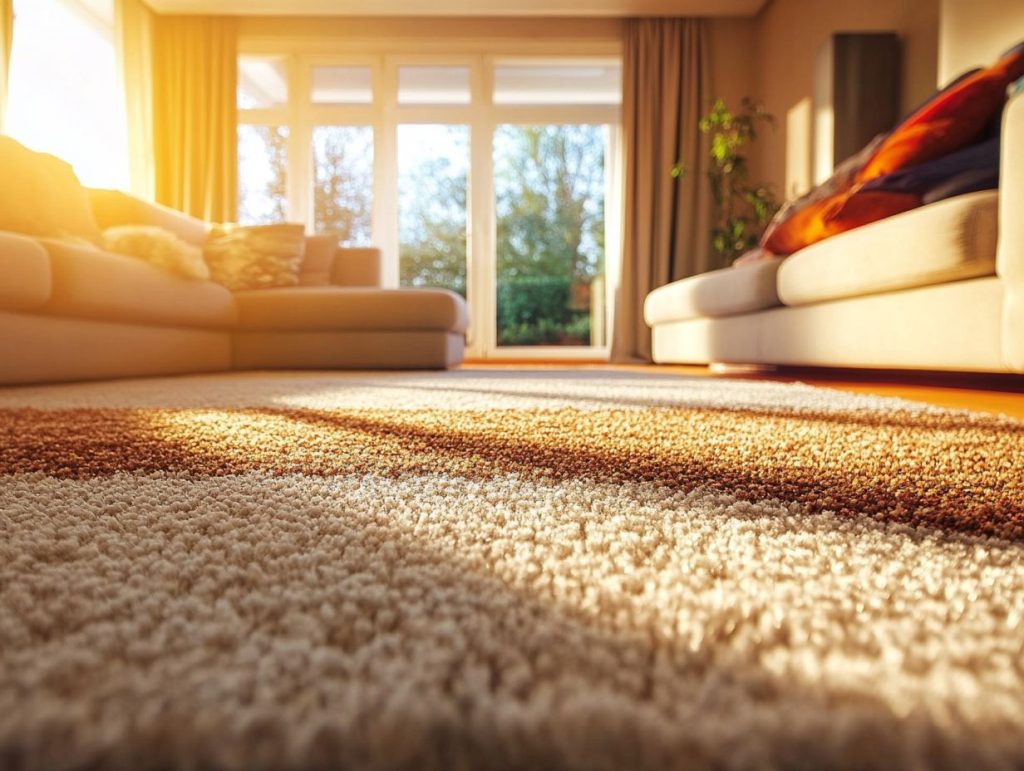
While wall-to-wall carpeting has its advantages, it also has some drawbacks that you should consider.
One of the biggest challenges is the maintenance and cleaning required to keep carpets looking and feeling fresh. You must commit to regular deep cleaning and vacuuming, which can trap allergens, dirt, and debris.
Additionally, the initial cost and installation time can be higher than other flooring options, which might dent your budget and affect your long-term investment in your home’s flooring.
Maintenance and Cleaning Challenges
One of the biggest challenges with wall-to-wall carpeting is the maintenance it requires to keep it looking its best.
To tackle these issues effectively, you should set up a solid cleaning schedule that includes vacuuming and deep cleaning. Regular upkeep is key to preventing the buildup of allergens like dust mites and pet dander, which can interfere with your respiratory health. If you have damp areas, you must watch out for mould growth, so it’s extremely important to deal with spills and moisture immediately.
With all the foot traffic, those carpet fibres can become worn and frayed, making your carpet look less appealing and leading to more significant problems if you don’t take action. So, finding that sweet spot between consistent maintenance and timely repairs is crucial for keeping your carpet in good condition for the long term.
Cost and Installation Considerations
Cost is a significant factor when considering wall-to-wall carpeting for the materials and installation. Prices can vary widely depending on the type of carpet you choose, plus those professional installation fees can accumulate. It’s essential to consider the immediate costs and the long-term durability and maintenance expenses associated with different flooring options, ensuring your investment aligns with your lifestyle needs.
These expenses aren’t just about the initial purchase; you also need to consider underlay, which is vital for extending the carpet’s lifespan. The time required for installation can affect labour costs, too, especially if you have to do a lot of preparation work on the subfloor.
You should also consider the potential for climate-related wear and tear, which might necessitate more durable materials. That could mean higher upfront costs, but it could save you money in the long run. Understanding all these factors can help you make an informed choice that balances quality with your budget.
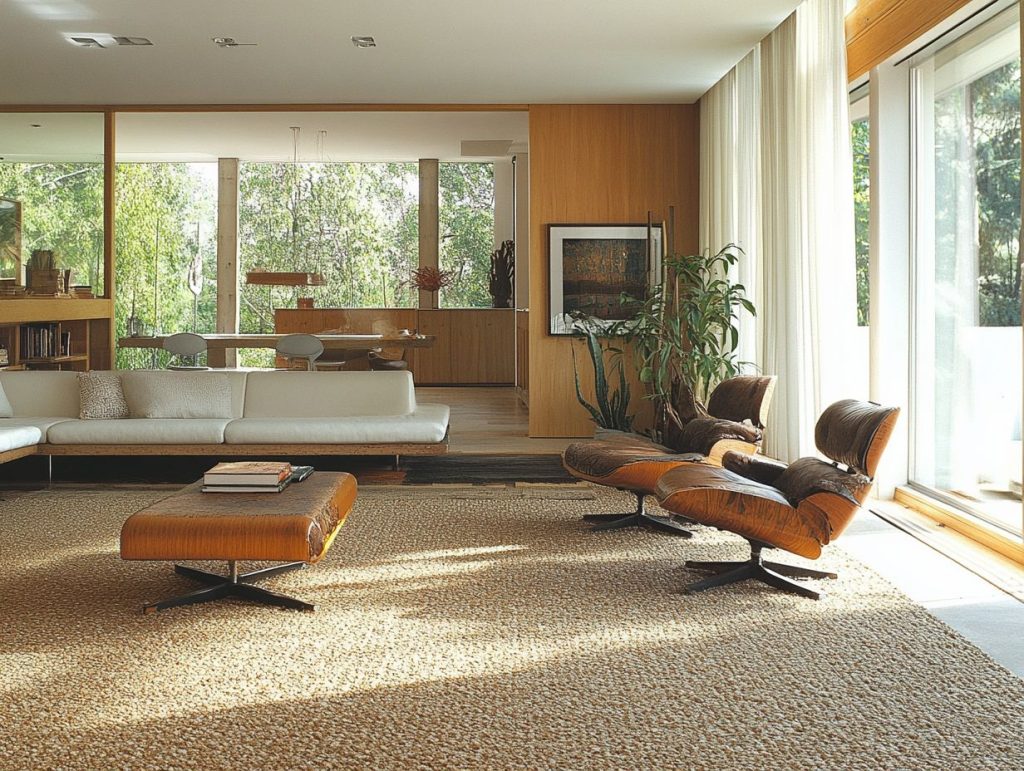
Advantages of Area Rugs
Area rugs offer many advantages that enhance your living space while keeping things flexible and versatile. Unlike fitted carpets, area rugs allow you to effortlessly change the vibe of a room with different styles, colours, and textures.
This makes it very easy to adjust for seasonal decor or to match your ever-changing design tastes. Additionally, you can move them around to redefine your room layouts, making them a clever choice for spaces that evolve without the commitment of permanent flooring.
Flexibility and Versatility
One of the most interesting things about area rugs is their flexibility and design versatility—they offer endless customisation options for your home. You can easily switch up colour choices, patterns, and textures to match your décor or rearrange rugs to create new layouts and define spaces in open floor plans. This adaptability makes area rugs a fantastic choice for anyone who loves to experiment with design without feeling locked in for the long term.
You can choose from various materials, such as wool, silk, or synthetic fibres, each providing a unique feel and look. The vibrant colours, muted tones, and intricate patterns allow you to add a personal touch that can either make a statement against your existing furniture or blend seamlessly into the background.
Whether you want a bold geometric print in a modern living room or a soft, shaggy texture in your cosy reading nook, area rugs can elevate the atmosphere of any space. Mixing and matching different styles can create unique ambiences that reflect your personality and preferences.
Easy Maintenance and Replacement
Area rugs are extremely practical for maintenance and replacement, which is why they’re so popular in busy households. Unlike wall-to-wall carpeting, you can easily remove and clean area rugs, whether vacuuming, spot cleaning, or sending them off to a professional cleaner.
Replacing them is a doddle if you ever want to switch up your decor. They offer a flexible flooring option that fits just about any lifestyle.
Their durability means they can handle everyday wear and tear, making them perfect for high-traffic areas. Not only do they look great, but they also help reduce allergens since you can wash them regularly, keeping your space cleaner.
The ease of cleaning area rugs is a major win for families with children and pets. You can tackle spills and accidents quickly, which is always a bonus.
This practical flooring solution gives you both style and functionality, adding warmth to your home without the commitment of more permanent options.
Disadvantages of Area Rugs
Area rugs have their advantages, but they come with a few drawbacks you should bear in mind.
One significant concern is the risk of slipping and tripping, especially in high-traffic areas. Unlike wall-to-wall carpets, area rugs might not provide the same level of insulation and sound absorption, which could affect your space’s overall comfort and atmosphere.
Slipping and Tripping Hazards
One of the biggest concerns with area rugs is the risk of slipping and tripping, especially in busy households or high-traffic areas. Without the right slip resistance measures, rugs can shift or bunch up, creating accidents waiting to happen. It’s essential to consider where you place your rugs and secure them properly to keep your home safe.
Ideally, rugs should be placed in spots that won’t disrupt the natural flow of movement, which helps reduce the chances of mishaps. Using non-slip pads or double-sided tape can significantly improve safety, ensuring your rug stays in place. If you have elderly family members or young children around, securing those rugs becomes even more important.
A little investment in the right securing methods can prevent falls, making your space safer and more enjoyable for everyone. Ignoring these safety concerns can lead to serious injuries, disrupting not just daily life but also your peace of mind.
Limited Insulation and Sound Absorption
Area rugs might not offer the best insulation or sound absorption compared to wall-to-wall carpeting, affecting how cosy your space feels. Sure, they provide some cushioning for your feet, but they can fall short when it comes to trapping heat or dampening sound. This makes them less ideal for colder climates or noisy spots. So, when picking out area rugs, it’s worth considering how these limitations might impact your home’s atmosphere.
The material and thickness of the rug also play a significant role in its performance. If you opt for a thinner rug, it might not hold up well under heavy foot traffic and probably won’t offer much thermal resistance. And if you don’t have proper padding underneath, those area rugs could make your floors feel colder, which isn’t exactly the cosy atmosphere most homeowners are after.
Sound can also become an issue, especially in larger open spaces where noises bounce off hard surfaces.
Managing these factors is key for anyone looking to enhance their home’s comfort with stylish flooring solutions.
Choosing Between Wall-to-Wall Carpeting and Area Rugs
Deciding between wall-to-wall carpet and area rugs can be quite a conundrum. Both have their unique perks and pitfalls.
You’ll want to consider key factors, such as your lifestyle, how much maintenance you’re willing to do, and the vibe you want for your space. Are you after that cosy, warm feeling that fills your home, or do you lean more towards the flexibility and design options that area rugs offer?
Remember to consider your budget, which is a big factor in this decision. It’s important to weigh each option’s long-term costs before making your final choice.
Factors to Consider
When deciding between wall-to-wall carpeting and area rugs, consider a few factors that could influence your choice. Think about your lifestyle—do you have pets or children? Those details can play a big role in your selection, especially regarding durability and maintenance.
For example, wall-to-wall carpeting might be your best option if your household is always buzzing with activity. It offers a seamless look and can be easier to clean in those high-traffic areas.
But if you like to change things up, area rugs could be more to your taste. They allow you to refresh your space and add your personal touch without going through a major renovation.
Don’t forget about the care involved! Wall-to-wall carpeting might need a professional cleaning occasionally, while area rugs are often easier to manage at home. Ultimately, your choice should reflect what you need practically while showcasing your personal taste, finding that sweet spot between looking good and working well.